Track 3D Print Performance with Cura Metadata
Estimated Reading Time: 6 minutes
Key Takeaways:
- Monitoring Cura metadata can significantly enhance print quality.
- Data-driven decisions facilitate optimization in 3D printing settings.
- Utilizing metadata helps identify issues early and reduce material waste.
- Plugins can enhance the functionality of Cura for tracking print performance.
Table of Contents
Understanding Cura Metadata
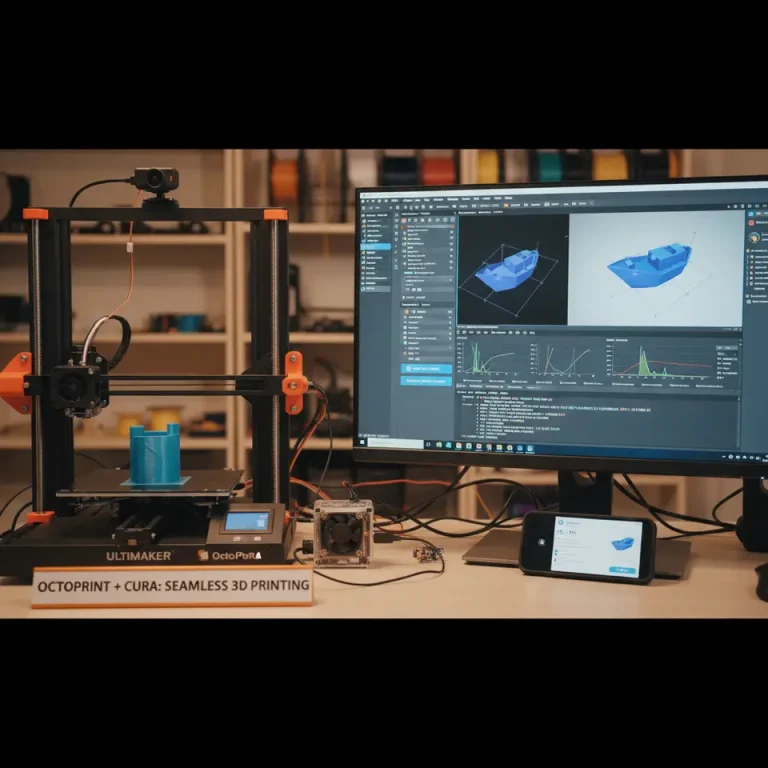
Cura generates a wealth of metadata during the slicing process and throughout each print job. This includes information such as print duration, layer height, filament type, nozzle temperature, and much more. By monitoring these metrics, users can compare and analyze various print jobs, identify patterns, and make informed adjustments to their Cura profiles.
For instance, you can collect metadata on the print success rate with specific settings or materials, helping you determine what works best for different projects. The ability to gather extensive data is a tremendous asset, especially for those seeking to improve their 3D printing workflows.
Why Track Print Performance?
1. Identifying Issues Early: By reviewing metadata, users can quickly see which prints failed and why. For example, if a certain temperature consistently leads to print flaws, adjustments can be made proactively to avoid future failures.
2. Performance Optimization: Continuous tracking allows for the identification of trends, enabling users to pinpoint which settings yield the best results with specific materials. This leads to enhanced print quality and minimizes material waste.
3. Data-Driven Decision Making: Employing a systematic approach based on objective data rather than intuition fosters better decision-making in terms of design adjustments and material choices.
How to Log Metadata in Cura
To effectively harness the power of Cura metadata, follow these steps:
- Enable Debug Logging:
- Go to the Cura settings menu.
- Navigate to the “Settings” tab and enable “Advanced Settings.”
- In the “Logging” section, turn on “Debug” mode to ensure all relevant print metadata is recorded.
- Set Up External Logging:
- For more robust tracking, consider exporting your print metadata to a cloud service or local database. Use software like n8n to automate this process, allowing you to collect and visualize the data over time.
- You can also utilize plugins designed for Cura that capture and export print data in meaningful formats for further analysis.
- Review and Analyze Data:
- Regularly review the logged metadata after each print. Use this information to analyze layer errors, spool consumption, and time efficiency.
- Keep a logbook of your findings to reference during future slicing sessions.
Practical Tips for Using Metadata to Improve Slicing Decisions
1. Adjust Temperature Settings: Track how different temperatures affect the print’s adhesion and overall quality. For example, if your metadata shows that a lower temperature consistently increases layer adhesion but results in stringing, you can fine-tune the settings accordingly with retraction adjustments.
2. Layer Height vs. Print Time: Sometimes a lower print quality due to a larger layer height might be offset by drastically reduced print time. Analyzing layer heights using metadata can help you find a balance that maximizes both quality and efficiency.
3. Filament Tracking: If you frequently change filaments, noting how different brands and materials perform with the same print settings can lead to better profiles tailored for specific materials.
4. Compare Settings for Different Models: If you notice that prints of complex models fail more often, investigate their metadata against simpler models. Differences could arise from settings like infill density or support settings that you may need to adjust.
Utilizing Plugins for Enhanced Performance Tracking
To elevate your use of metadata in Cura, consider integrating valuable plugins that can enhance logging capabilities. Some noteworthy suggestions are:
- Cura Custom Scripts: Use custom scripts to automatically log data at each print stage, ensuring no detail is overlooked.
- Gcode Header and Footer Adjustments: Customize your Gcode to include specific print metrics that record directly into the file each time you slice.
These plugins simplify the log management process and can provide a more detailed insight into your print performance.
Connecting to CuraSlicers.com Content
At CuraSlicers.com, we provide a wealth of guides to help you optimize your 3D printing projects. For a deeper dive into specific aspects of print settings, check out our article on Cura Experimental Settings for insights on using advanced features effectively.
If you’re struggling with optimizing settings for specialized prints, our guide on Cura Slicer Fit Tolerance offers detailed advice that can complement your metadata analysis efforts.
Conclusion
Tracking print performance through Cura metadata is a powerful method for any 3D printing enthusiast or professional looking to refine their processes. By leveraging data collected from each print job, you can improve your slicing decisions, minimize failures, and create consistently high-quality prints.
As the landscape of 3D printing evolves, adopting data-driven strategies will empower you to stay ahead in your projects. For ongoing tips, tutorials, and insights, don’t forget to visit CuraSlicers.com regularly. Follow us on social media, or subscribe to our newsletter to keep your 3D printing knowledge sharp.
Explore more about the endless possibilities of 3D printing by visiting our homepage.
For comprehensive Cura documentation, be sure to check Ultimaker’s official guidelines here.
FAQ
Q: What is Cura metadata?
A: Cura metadata refers to the data logged by the Ultimaker Cura software during the slicing and printing process, including parameters like print duration, temperature settings, and more.
Q: How can I use metadata to improve my prints?
A: By analyzing the logged metadata, you can identify patterns in print performance, adjust settings for better outcomes, and track issues early to minimize failures.
Q: Are there plugins that can help with metadata tracking?
A: Yes, several plugins are available for Cura that enhance its logging capabilities and can provide detailed insights into your print performance.